A neurodivergent-centred real-world participation hub

A Neurodivergent-Centred Inclusive Play & Skills Hub

Structured, low-pressure real-world activities delivered using pathways, designed to help children, young people and young adults build confidence, communication, independence and belonging at their own pace.

The Manor works with families, schools, SENCOs, inclusion teams, Alternative Provision partners, SEND organisations, therapists, parent-carer groups and community partners to provide safe, practical and enjoyable sessions in Farnham.

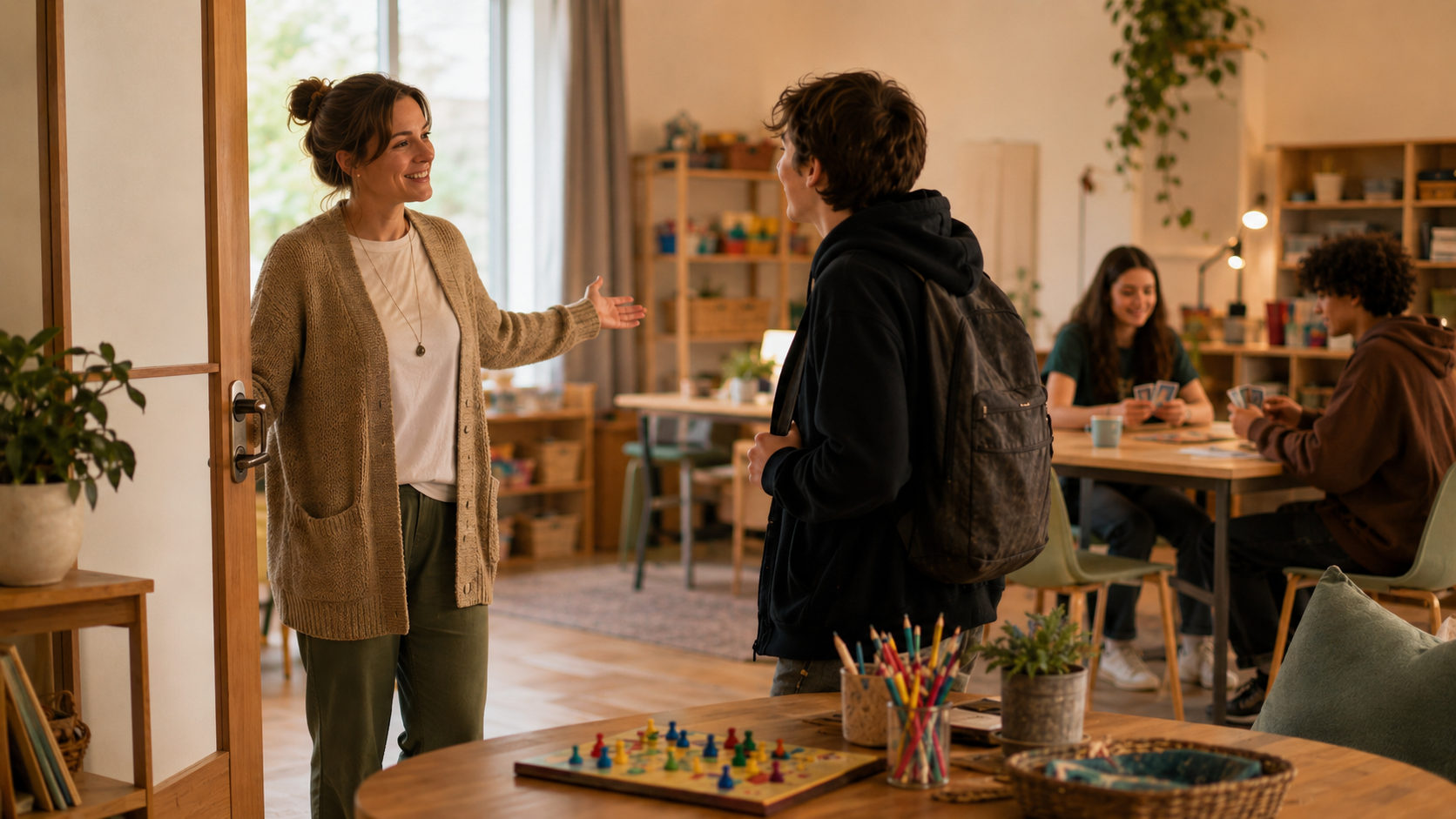
At The Manor, young people are not expected to fit into the environment. The environment is designed to adapt around them.
  • Designed around the individual
  • Predictable, low-pressure sessions
  • Choice-led participation
  • Real-world confidence and skills
  • SEND-aware activity environment

An Inclusive Hub For Schools • SEND • Alternative Provision • Community

The Hub

A Different Kind of Real-World Pathway Space

The Manor is a neurodivergent-centred inclusive play, skills and progress hub in Farnham, offering structured Pathways that support confidence, communication, independence, social participation, employability and real-world readiness.

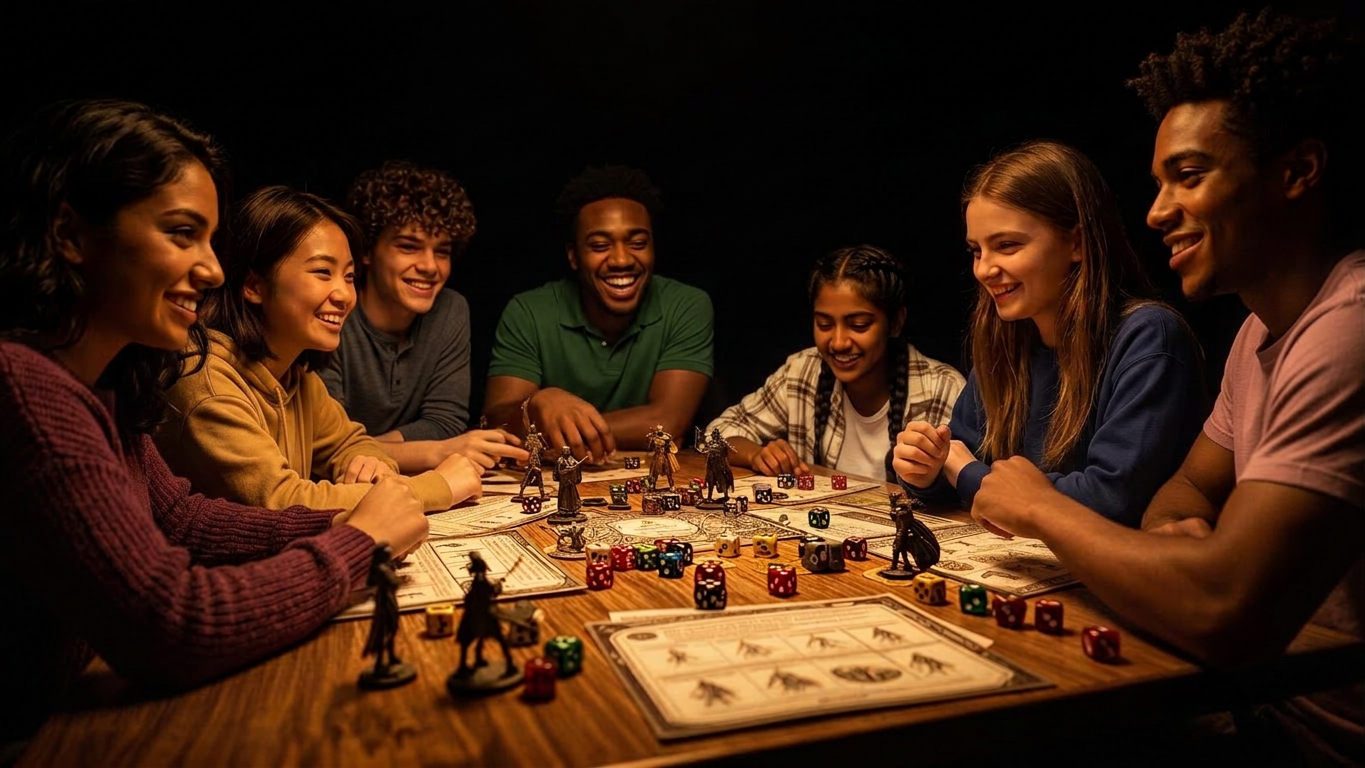
The Hub brings together a wide range of practical, creative, social and skills-based opportunities, including tabletop roleplay, Dungeons & Dragons, chess, cooking lessons, practical life skills, employability tasks, customer service practice, venue skills, digital media, creative design, model-making, brick-building, escape-style challenges, social confidence sessions and partner-led specialist provision, alongside leisure-based activities such as karaoke, indoor golf, interactive darts and shuffleboard.

For some children and young people, mainstream classrooms, traditional sports, busy social spaces or standard activity clubs can feel difficult. The Manor offers a calmer, more structured alternative where participants can engage through interests, practise real-world skills, build confidence at their own pace and experience positive achievement in a supportive environment.

The Manor is not a school, clinical provider or therapy service. Instead, we provide a practical, activity-led and gaming-led environment that can complement existing SEND, pastoral, Alternative Provision, school reintegration and community support.
Virtual Golf
Virtual Golf
Interactive Shuffleboard
Cooking & Kitchen Confidence
Karaoke
Karaoke
Dungeons & Dragons
Dungeons & Dragons
Brick-Build Challenges

Person-Centred

Designed Around the Person, Not Just the Activity

Every participant arrives with different interests, communication styles, confidence levels, sensory preferences, support needs and past experiences. That is why The Manor is designed around the person first.

The activity is only the starting point. The real value is helping each young person or young adult find a way to participate that feels safe, dignified and achievable.

For one person, progress might mean joining a group game. For another, it might mean entering the building, watching first, asking for help, taking a break, trying one turn, staying for longer than last time or choosing to return.

At The Manor, participation does not have to look the same for everyone.

Predictability

We help participants understand what to expect before and during sessions.

Choice

Participants can choose how they join in, whether that means watching, trying, joining a pair, taking a role or stepping back.

Dignity

Support is offered in a way that avoids embarrassment, pressure or forcing someone to perform socially.

Progress at Their Pace

Small steps matter. We recognise confidence, communication, regulation and participation in ways that are meaningful to the individual.

Our Approach

The Manor Method

Our approach is built around a simple principle: predictability, choice, dignity, safety and real participation before performance.

  1. Step 1

    Understand Me Before I Arrive

    We gather practical information about interests, communication style, sensory preferences, support needs and what helps the participant feel safe.

  2. Step 2

    Show Me What to Expect

    Where helpful, we can provide photos, visit information, session structure, staff introductions and clear expectations before the first visit.

  3. Step 3

    Let Me Choose How I Participate

    Participants can watch, try with support, work alongside others, join a small group, take a role or step away when needed.

  4. Step 4

    Support Me Without Pressure

    Facilitators use calm, clear and respectful support. We avoid forced introductions, forced eye contact, rushed decisions or unnecessary pressure.

  5. Step 5

    Help Me Recover if It Becomes Too Much

    Breaks, quiet spaces, reduced demands and alternative activities are treated as part of participation, not failure.

  6. Step 6

    Notice My Progress

    Progress may include asking for help, trying something new, returning after a break, joining a peer activity, handling change or staying engaged for longer.

  7. Step 7

    Adapt Next Time

    What we learn from each session helps shape future support, activity choices and next steps.

Participation Modes

Different Ways to Take Part

Joining in does not have to mean the same thing for every person. The Manor uses flexible participation modes so young people and young adults can engage in ways that match their confidence, communication style and support needs.

Watch Mode

I can observe first before deciding whether to join.

Support Mode

I can take part with help from a facilitator, parent, carer or support worker.

Parallel Mode

I can do an activity near others without needing to talk or join a group immediately.

Choice Mode

I can choose from different activity options, roles or challenge levels.

Team Mode

I can join a pair or small group with clear structure and support.

Lead Mode

I can explain, host, present, help another participant or take responsibility when ready.

Break Mode

I can step away, regulate and return without it being treated as failure.

At The Manor, watching, pausing, choosing, asking for help and returning after a break can all be valid forms of progress.

First Visit

A No-Surprises First Visit

For many neurodivergent young people and young adults, the hardest part is not always the activity itself. It can be the uncertainty of a new place, new people, noise, transitions or not knowing what will happen. That is why first visits can be planned to reduce uncertainty and pressure.

  • Photos of the venue before attending
  • Clear explanation of what happens on arrival
  • Staff names or introductions where possible
  • Information about toilets, exits and quiet spaces
  • Sensory information such as noise, lighting and group size
  • Option to visit at a quieter time
  • Option to watch before joining in
  • Option for a parent, carer or support worker to stay
  • Clear break options
  • Low-pressure first activity

Support Profile

My Manor Profile

To support a more personalised experience, participants can complete a simple My Manor Profile before attending. This is not a clinical assessment. It is a practical support profile that helps us understand how each person is most likely to feel safe, prepared and able to participate.

What I enjoy

What makes me anxious

How I prefer to communicate

Whether I like to watch first

My sensory preferences

What helps me take part

What staff should avoid doing

What helps me recover if overwhelmed

Activities I might like to try

What a good session would look like for me

The aim is simple: every session should teach us how to support the person better next time.

Who It's For

Who These Sessions Can Support

Our sessions may be suitable for children, young people and young adults who would benefit from a predictable, low-pressure environment where they can take part in a way that matches their confidence, communication style and support needs.

  • Children and young people with SEND or additional needs
  • Young people who are anxious, withdrawn or socially isolated
  • Pupils struggling with confidence or self-esteem
  • Pupils finding mainstream school difficult
  • Young people at risk of exclusion or on reduced timetables
  • Children educated outside mainstream school
  • Young adults preparing for independence, employment or further education
  • Young people who find traditional PE or team sports difficult
  • Children who need a calm, structured activity environment
  • Young people who would benefit from positive adult-led activity outside the classroom
  • Young people who need to watch before joining in
  • Young people who find forced social interaction difficult
  • Young people who communicate better through interests, activity, visuals or non-verbal choices
  • Young people who need structured opportunities to practise independence
  • Young people who need a safe place to build confidence at their own pace
  • Young adults who want age-appropriate social and skills-based opportunities

Sessions can be adapted for different age groups, support needs and confidence levels.

Start With What Helps Them Feel Safe

Whether you are a parent, school, AP provider, therapist or community partner, we are happy to start with a conversation about what the young person needs before recommending a session.

The Hub Offer

Explore Our Pathways

The Inclusive Play & Skills Hub is organised around 8 structured Pathways that help participants build confidence, communication, social connection, creativity, independence, employability, wellbeing, practical skills, STEM confidence and nature-based learning. Each Pathway brings together activities that can be adapted for different ages, confidence levels, support needs and session objectives.

Some Pathways use The Manor's existing spaces and resources, while others are delivered through specialist partners and visiting practitioners. Pathways may include tabletop roleplay, Dungeons & Dragons, chess, cooking and food confidence, employability tasks, practical life skills, creative and digital projects, maker/STEM learning, nature-based activities and supported leisure activities such as karaoke, indoor golf, interactive darts and shuffleboard.

Some activities, including animal care, food-related sessions, practical workshop skills, hydroponics, electronics, VR/AR and specialist technology sessions, may require additional equipment, qualified partners, enhanced risk assessments, consent, allergy checks, animal welfare checks, or support staff from the referring organisation.

Not every activity will be available in every session. Activities are selected based on age, support needs, suitability, staffing, safeguarding requirements and the intended outcomes of the session.

Pathway 01

Real-World Confidence, Communication and Self-Advocacy

Helps participants practise everyday public, social and communication situations in a safe, predictable and supportive environment. Especially relevant for those who find new places, group situations, transitions, public speaking, asking for help or communicating needs difficult.

Activities & example tasks

Pathway 02

Social Belonging, Play and Inclusive Leisure

Structured, age-appropriate and inclusive opportunities to enjoy activities, build friendships, practise teamwork and experience belonging — without the pressure of mainstream clubs or highly competitive environments.

Activities & example tasks

Pathway 03

Creative, Digital and Media Skills

Supports self-expression, creativity, communication, confidence and digital skills through media, content creation, music, storytelling, design and creative production.

Activities & example tasks

Pathway 04

The Manor Employability Academy

Helps older participants build practical work-readiness, confidence, communication and responsibility through real or simulated tasks linked to hospitality, customer service, events, enterprise, administration and venue operations.

Activities & example tasks

Pathway 05

Independent Living, Consumer Skills and Community Readiness

Supports everyday life skills, independence, decision-making and confidence in community settings. Particularly relevant for teenagers, young adults, school avoiders, AP learners and those preparing for adulthood.

Activities & example tasks

Pathway 06

Wellbeing, Regulation, Movement and Sensory Confidence

Supports emotional regulation, sensory confidence, physical confidence, low-pressure movement and wellbeing. Designed around choice, consent and dignity — avoiding forced participation or overly competitive formats.

Activities & example tasks

Pathway 07

Maker, STEM and Practical Technology

Hands-on learning through making, building, coding, designing, repairing, experimenting, problem-solving and applied technology. Well suited to participants who enjoy practical learning, systems, engineering, construction, digital creation, special interests, tangible outcomes or structured problem-solving.

Activities & example tasks

Pathway 08

Nature-Based Learning, Growing and Animal Care

Supports confidence, responsibility, sensory exploration, wellbeing and practical learning through nature-based activities, growing projects, plant care, sustainability, animal care and hands-on environmental science. Especially suitable for participants who respond well to calmer, tactile, nurturing or observation-based activities.

Activities & example tasks

Some future activities may require specialist partners, additional equipment, enhanced risk assessments, qualified practitioners or referring organisations to provide appropriate support staff.

Cross-Pathway

Skills Developed Across the Hub

Across the Pathways, participants may have opportunities to build confidence, communication, teamwork, social interaction, self-advocacy, emotional regulation, independence, creativity, digital confidence, practical life skills, employability, problem-solving and real-world readiness.

  • Confidence
  • Communication
  • Social interaction
  • Self-advocacy
  • Emotional regulation
  • Turn-taking
  • Teamwork
  • Problem-solving
  • Creativity
  • Independence
  • Resilience
  • Practical life skills
  • Digital confidence
  • Employability
  • Community participation
  • Real-world readiness
  • Sense of belonging
  • Safe risk-taking
  • Decision-making
  • Responsibility
  • Reflection and self-awareness
  • STEM confidence
  • Technical curiosity
  • Design thinking
  • Environmental awareness
  • Responsibility through care
  • Observation skills
  • Patience and routine-building

Approach

Why Activity-Led Participation Works Well

Activity-led sessions can make confidence-building feel more natural, practical and enjoyable. Young people do not always need to sit in a classroom or talk directly about confidence to build it. They can practise communication, turn-taking, patience, decision-making, regulation, teamwork and problem-solving through games, creative projects, venue-based tasks, movement, storytelling, digital media, practical skills and real-world scenarios.

Tabletop games and roleplay are one well-loved route into participation at The Manor, but they are only one part of a wider neurodivergent-centred activity model that adapts around the individual.

Communication

Turn-taking

Teamwork

Creativity

Problem-solving

Confidence

Hybrid Sessions

Tabletop Adventures That Come to Life

One of The Manor's most distinctive offers is the ability to combine tabletop storytelling with real venue activities. Young people can solve a clue at the table, then complete a golf, darts or shuffleboard challenge as part of the story.

01

Adventure Quest Session

A tabletop story where young people complete real The Manor challenges as part of the adventure. Solve a clue, complete a darts challenge, use shuffleboard to cross the "bridge", then complete a golf simulator target challenge to finish the mission.

02

Brick-Build and Play Session

Young people build part of a fantasy world, obstacle, castle or quest location, then use it as part of a tabletop story or team challenge.

03

Escape Quest and Activity Challenge

The group solves puzzles, unlocks clues and completes physical or digital challenges around the venue.

04

Game Creator Lab and Interactive Activities

Older pupils design their own simple game rules, then compare them to real-world activity scoring systems such as golf, darts or shuffleboard.

This creates a unique mix of storytelling, creativity, movement, digital scoring and social confidence work.

What To Expect

Example 90-Minute Session Format

  1. 01

    Welcome and check-in

  2. 02

    Clear session expectations

  3. 03

    Warm-up activity or story recap

  4. 04

    Main tabletop session, activity rotation or group challenge

  5. 05

    Individual, team or story-based challenge

  6. 06

    Reflection and feedback

  7. 07

    Summary for school or provider where required

We aim to keep sessions predictable, structured and positive, while still making them enjoyable and engaging.

Outcomes

Progress That Looks Different for Each Person

Our sessions are designed to support positive engagement and meaningful participation in a practical, enjoyable environment. Progress may look different for each person. Depending on the participant and selected Pathway, progress may include:

Entering a new space with less support

Watching before joining in

Asking for help

Using a break strategy

Trying one new activity

Taking turns

Managing frustration

Returning after a break

Joining a peer activity

Communicating a preference

Completing a shared task

Building confidence through repeated attendance

Practising independence

Developing practical or employability skills

Feeling safe enough to come back

Where required, we can provide brief session notes, attendance records and end-of-programme feedback for schools or partner organisations.

Progress & Evidence

Tracking Real-Life Progress with the Ember Journey Dashboard

The Manor is designed to help participants build confidence, communication, regulation, social participation, independence and real-world readiness through structured, activity-led sessions.

To help make this progress visible, we use the Ember Journey Dashboard as a structured way to capture real-life observations, session progress and outcome evidence where appropriate.

The dashboard is designed to help parents, schools, AP providers, therapists and partner organisations better understand how a young person is engaging, participating and developing over time.

Most progress does not happen only on paper. It can be seen when a young person enters a new space with less support, asks for help, joins a group activity, handles a change, recovers after frustration, communicates a need or contributes to a shared task.

The Ember Journey Dashboard helps us capture and organise these real-life moments so they can be reviewed, understood and shared appropriately.

For Parents and Carers

Parents and carers can better understand what happened during a session, what progress was observed, what support was needed and what next steps may help.

  • Confidence moments
  • Participation notes
  • Communication progress
  • What went well
  • Suggested next steps

For Schools and AP Providers

Schools, SENCOs, inclusion teams and AP providers can receive structured evidence that supports review conversations, re-engagement planning and wider provision discussions.

  • Attendance and engagement
  • Participation level
  • Session objectives
  • Outcome observations
  • Progress summaries

For Therapists and SEND Professionals

Where appropriate, therapists and SEND professionals can use structured session observations to understand how a participant responds in real-world, activity-led settings.

  • Regulation strategies used
  • Communication attempts
  • Sensory considerations
  • Self-advocacy moments
  • Generalisation into real situations

For Partner Organisations

Charities, youth organisations, funded programmes and community partners can better evidence the impact of inclusive, activity-led provision.

  • Group engagement
  • Skills practised
  • Confidence development
  • Participation trends
  • Programme feedback

From Activity to Evidence

Step 1

Session takes place

Participants take part in a structured Hub activity or Pathway session.

Step 2

Facilitator observes

Relevant moments of confidence, communication, participation, regulation and independence are noted.

Step 3

Progress is captured

The Ember Journey Dashboard helps organise observations into meaningful outcome areas.

Step 4

Reports can be shared

Where agreed, parents, schools, AP providers or partners can receive suitable progress summaries.

Step 5

Next steps are planned

Progress evidence can help shape future sessions, support strategies or wider pathway planning.

What Ember Can Help Track

Attendance and engagement Confidence Communication Social interaction Emotional regulation Self-advocacy Independence Teamwork Resilience Real-world readiness Support strategies Next-step recommendations

Safeguarding and boundaries

The Ember Journey Dashboard supports structured observation and progress tracking. It does not diagnose, provide therapy, replace safeguarding judgement, replace school records or replace professional assessment. Information is shared only where appropriate and with suitable consent, safeguarding and data protection controls.

Our 4-Week Re-Engage and Confidence Pilot

Pilot Programme

Our 4-Week Re-Engage and Confidence Pilot

The Manor offers a 4-week pilot programme for schools, SEND organisations, Alternative Provision partners and community groups. The pilot helps partners test whether the Inclusive Play & Skills Hub is a good fit for their pupils, service users or young people before committing to longer-term provision. The pilot can be shaped around one or more Pathways depending on the group's age, needs and intended outcomes.

Pilot focus options

Real-world confidence and communication
Social belonging and inclusive leisure
Dungeons & Dragons and Quest Club
Indoor activity confidence (golf, darts, shuffleboard, karaoke)
Creative, digital and media skills
Employability, enterprise and venue skills
Independent living and community readiness
Wellbeing, regulation and sensory confidence
Maker, STEM and practical technology
Nature-based learning, growing and animal care
Hybrid activity and tabletop programme

Week 1

Welcome, Trust and Orientation

Young people are introduced to the venue, facilitators, activities, session structure and support options.

Week 2

Communication, Participation and Turn-Taking

Activities focus on interaction, listening, patience, group decision-making, asking for help and peer encouragement.

Week 3

Resilience, Problem-Solving and Regulation

Young people practise managing challenge, frustration, transitions, puzzle-solving, teamwork and trying again.

Week 4

Team Challenge, Creative Outcome or Real-World Confidence Moment

The group completes a final challenge, project, quest, activity rotation, presentation or confidence task and reflects on progress.

Trust & Safety

Safeguarding and Support

The Manor takes safeguarding and participant wellbeing seriously.

For school, SEND and council-linked sessions, we can provide:

  • Named safeguarding lead
  • Enhanced DBS checks for relevant staff
  • Activity risk assessments
  • Public liability insurance
  • Attendance register
  • Incident reporting
  • Fire safety and emergency procedures
  • Clear session expectations
  • Adapted planning for SEND-friendly delivery
  • Structured progress tracking through the Ember Journey Dashboard where appropriate
  • Our approach is informed by qualified therapists and SEND specialists on our advisory board.

Neurodivergent-Centred Support

  • Low-pressure first visits where appropriate
  • Clear expectations and predictable session structure
  • Participation modes that allow watching, parallel play, supported participation and breaks
  • Sensory and break options where available
  • Practical support profiles through My Manor Profile
  • Respectful facilitation that avoids forced eye contact, forced introductions or unnecessary pressure
  • Structured progress tracking through Ember Journey Dashboard where appropriate
  • Input from qualified therapists and SEND specialists to help inform our advisory approach

We can use the Ember Journey Dashboard to support structured progress notes, outcome observations and appropriate reporting for parents, schools, AP providers, therapists and partner organisations.

Important note

For children who require 1:1 support, personal care, high-risk behaviour support or specialist supervision, the referring school, provider or organisation must provide the appropriate support staff and information unless agreed separately in advance.

Disclaimer

The Manor does not provide formal education, clinical therapy, personal care, specialist SEND assessment or behaviour intervention unless separately arranged through appropriately qualified partners.

Our intent

The Manor's approach is designed to support participation, confidence and belonging. It does not aim to force masking, normalise behaviour or make every young person participate in the same way.

Partners

Working With Schools, Providers and Community Partners

We work with schools, SENCOs, inclusion teams, Alternative Provision providers, SEND organisations, therapists, charities, parent-carer groups and local authority-linked programmes that are looking for structured Pathway-based provision.

The Manor can support confidence, communication, participation, independence, employability, practical life skills, social belonging and real-world readiness through sessions shaped around the needs of the young person or group.

Primary schools

Secondary schools

SENCOs and inclusion teams

Alternative Provision providers

SEND organisations

Youth organisations

Parent-carer groups

Local authority-linked programmes

Holiday activity providers

Community wellbeing partners

We are open to one-off visits, low-pressure first visits, 4-week pilots, recurring Pathway sessions, employability programmes, life skills sessions, tabletop roleplay and chess clubs, cooking and practical skills sessions, holiday provision, membership routes and wider partnership programmes.

For organisations that need more than attendance records, The Manor can support structured progress tracking through the Ember Journey Dashboard. This can help partners evidence participation, confidence, communication, regulation, independence and real-world readiness across suitable sessions or programmes.

Pricing

Pricing

Flexible Session Planning & Funding Options

Every young person, group and organisation will have different needs, so we shape session proposals around the level of support required, the selected Pathway, group size, session length, staffing, preparation and any reporting needs.

We are happy to discuss options for:

  • one-off taster sessions
  • parent/carer-funded sessions
  • small-group social clubs
  • school or AP group visits
  • 4-week confidence and re-engagement pilots
  • recurring Pathway sessions
  • full Inclusive Hub membership
  • charity or community-funded sessions
  • bespoke high-support provision
  • partner-led or specialist-supported programmes

Sessions may be funded by parents/carers, schools, Alternative Provision providers, SEND organisations, charities, local authority-linked programmes, personal budgets or other partner organisations.

Because suitability, support needs and session goals can vary significantly, we recommend starting with a short conversation. We can then suggest the most appropriate format and provide a clear proposal.

One-Off Sessions

Suitable for schools, parent-carer groups, SEND organisations or young people who want to try the Hub before committing to a longer programme.

Small-Group Clubs

Suitable for recurring Dungeons & Dragons, Quest Club, gaming, creative, social confidence or Pathway-based sessions.

4-Week Pilot Programmes

Suitable for schools, AP providers and organisations that want to test whether the Hub is a good fit for a group before considering longer-term provision.

Most flexible option

Full Inclusive Hub Membership

A fuller membership option for individuals or families who want regular access to Inclusive Hub activities, clubs and events across the Pathways.

  • Access to standard Hub-run activities and events
  • Opportunity to join multiple Pathway sessions where suitable
  • Priority updates on new sessions and pilots
  • Designed for regular participation and belonging
  • Subject to suitability, availability, capacity and safeguarding requirements
  • Partner-led or specialist-run events may not be fully included, but full members will receive discounted access where available

Full membership does not automatically include activities delivered by external partners, specialist practitioners or separately funded programmes. Where partner-led events are not included, discounted member access may be offered.

Bespoke Support

Suitable where smaller groups, additional preparation, enhanced support, specialist partners or more detailed reporting may be required.

We are also interested in working with charities, funders, schools and community partners to explore subsidised places where cost may be a barrier.
Full membership is intended for regular access to Hub-led activities and events. Some sessions may still require booking, suitability checks, age-appropriate grouping, capacity limits or additional support planning.

Where children or young people require 1:1 support, personal care, high-risk behaviour support or specialist supervision, this must be provided or funded by the referring organisation unless agreed separately in advance.

Membership does not replace individual suitability assessment, safeguarding judgement or support planning. Some activities may require parent/carer attendance, referring organisation support staff, additional consent, specialist supervision or partner-led delivery.

Credibility

Why The Manor?

The Manor is designed around the young person, not just the session. Our approach combines low-pressure first visits, practical support profiles, flexible participation modes, structured Pathways, safeguarding-aware planning and real-world opportunities to build confidence, independence and belonging.

Why partners choose The Manor

  • Neurodivergent-centred approach
  • Predictable, low-pressure session structure
  • My Manor Profile to understand support needs before attendance
  • Flexible participation modes, including watching, supported participation, parallel activity and breaks
  • Existing weekly Dungeons & Dragons provision for young people with additional needs
  • Pathways covering social belonging, tabletop roleplay, chess, cooking, life skills, employability, creative skills, STEM, wellbeing and supported leisure
  • Optional Ember Journey Dashboard progress tracking where appropriate
  • Indoor, weather-proof Farnham location
  • Flexible partnership model for parents, schools, AP providers, SEND organisations, charities and community partners

Community Consultation

Help Shape the Inclusive Play & Skills Hub

We are gathering feedback from parents/carers, young adults, therapists, SEND professionals, charities and community groups to understand which Pathways, activities and support options would be most useful. This includes confidence-building, social belonging, digital creativity, employability, independent living, wellbeing, STEM, practical technology and nature-based learning.

The survey takes around 10–15 minutes and can be completed anonymously.

Start the Conversation

Not sure which session, pathway or programme is right yet?

Send a quick enquiry and we can help guide you.

Whether you are a parent, carer, school, AP provider, therapist, charity or community partner, you do not need to have everything worked out before getting in touch. Tell us who you are, what you are interested in, and we can help suggest the most suitable next step.

Quick Enquiry

Best if you want to ask a question, plan a first visit, discuss suitability, or understand which pathway may be most appropriate.

Detailed Enquiry

Best if you are a school, AP provider, SEND organisation, therapist or parent/carer ready to share more information about needs, support, preferred sessions, pathways or progress tracking.

Quick Enquiry

Send a Quick Enquiry

Use this short form if you would like to start a conversation. We can follow up to gather more detail if needed.

Use this short form if you would like to start a conversation. We can follow up to gather more detail if needed.

I am interested in *

Detailed Enquiry

Share More About Your Needs

If you are ready to share more information about support needs, preferred pathways, first visit preferences, membership, progress tracking or partnership options, you can complete the detailed form below.

You can also use the Quick Enquiry form above if you would prefer to start with a shorter message.

Which Pathways are you most interested in? (optional)
Are you interested in membership? (optional)
Are you interested in progress tracking or reports? (optional)

First Visit and Support Preferences

Optional — share as much or as little as helpful so we can plan a no-surprises first visit.

Would you like a low-pressure first visit?
What would help the participant feel prepared? (optional)
Preferred participation style (optional)

Bring the Inclusive Play & Skills Hub to Your Group

We would be happy to discuss a one-off visit, a 4-week Pathway pilot, a weekly club or a longer-term partnership shaped around your participants' needs.